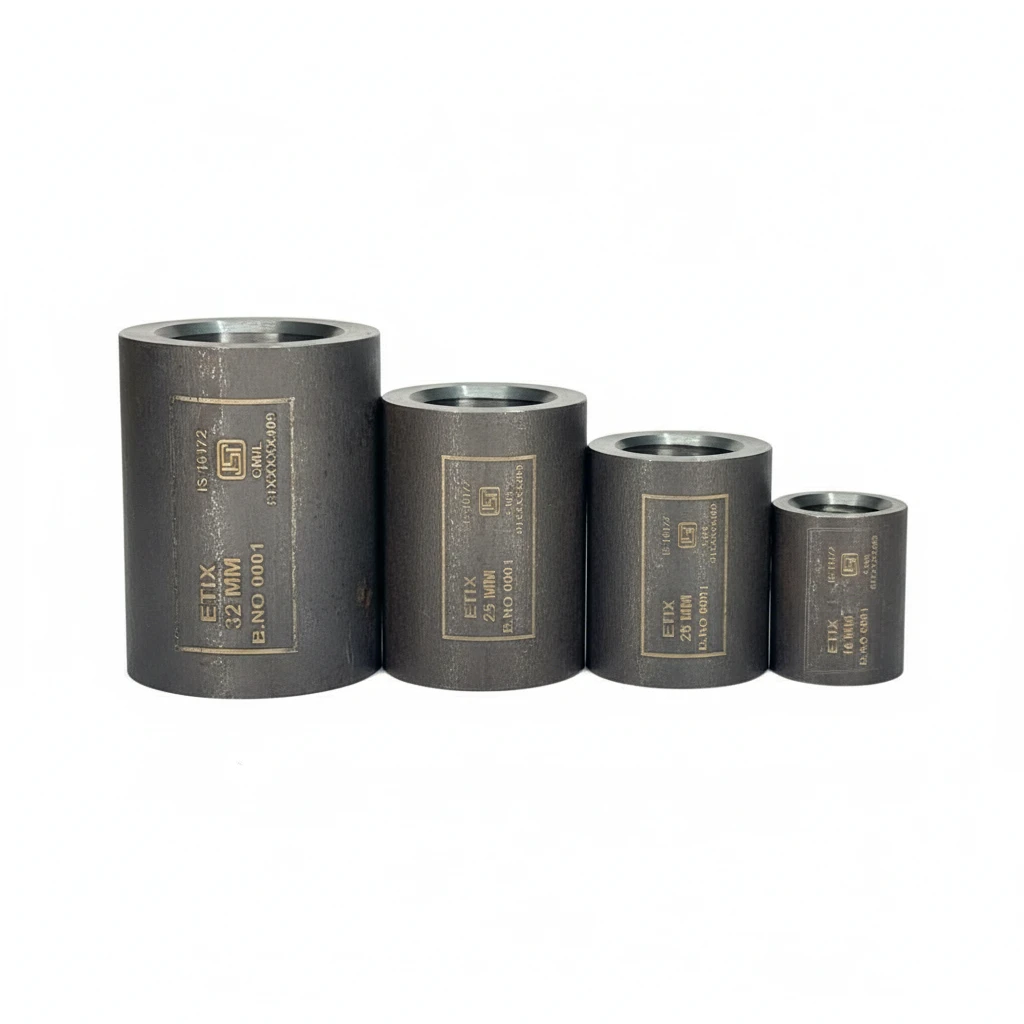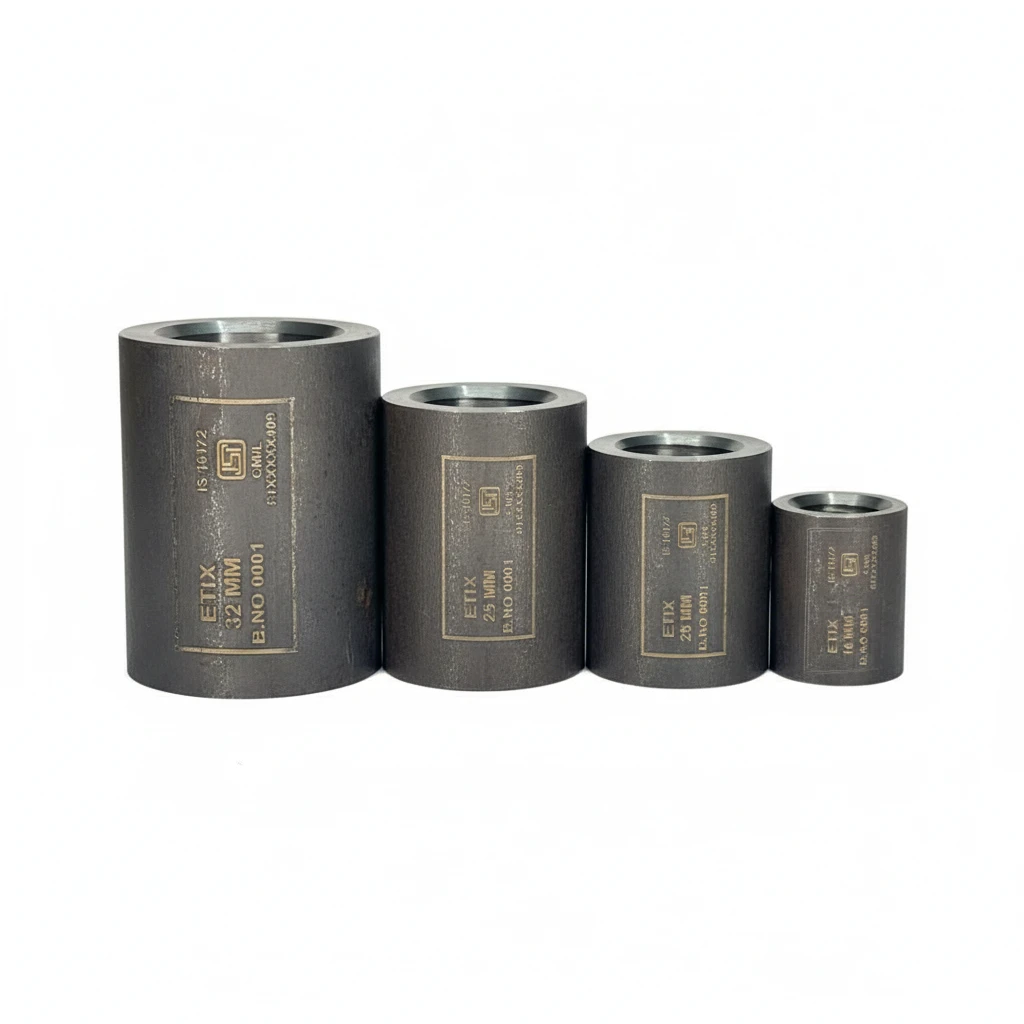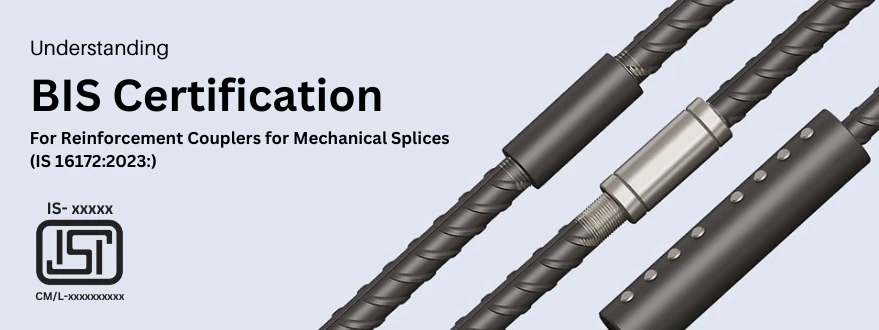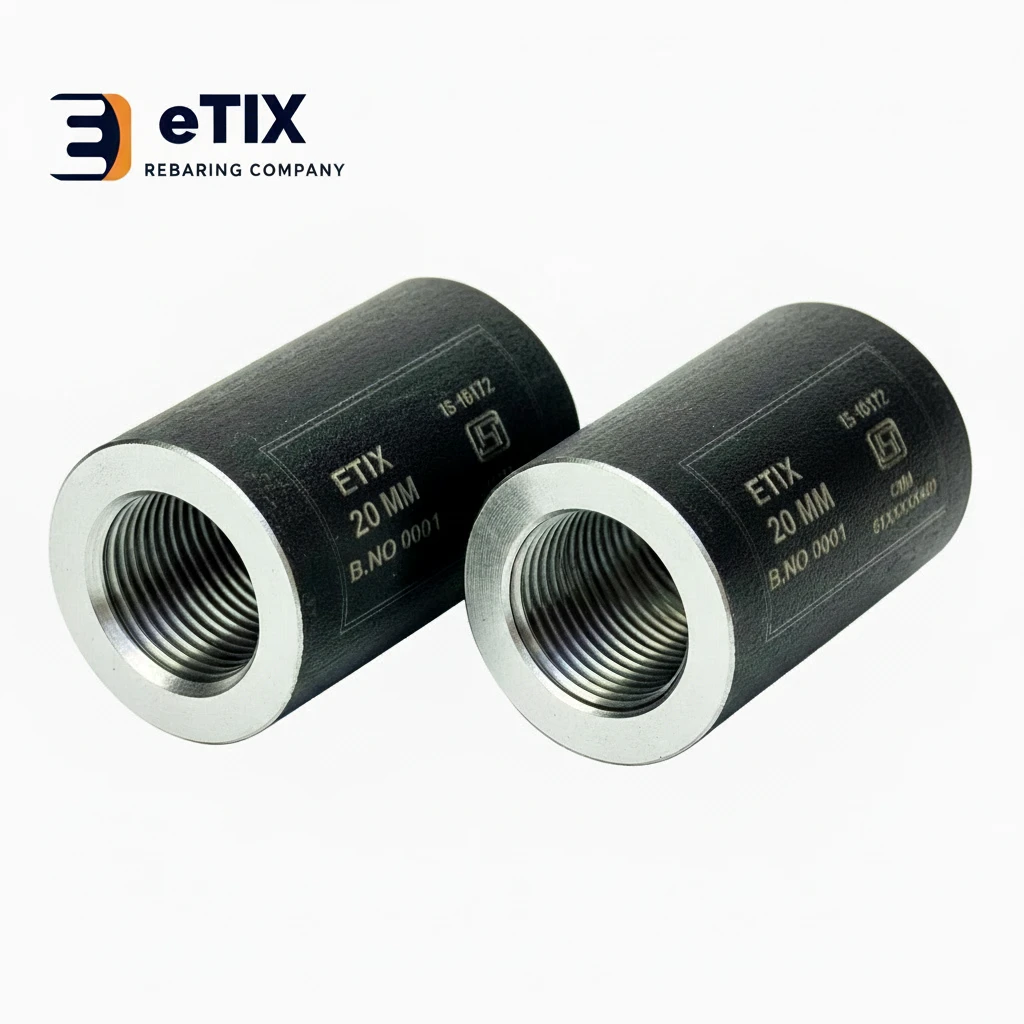
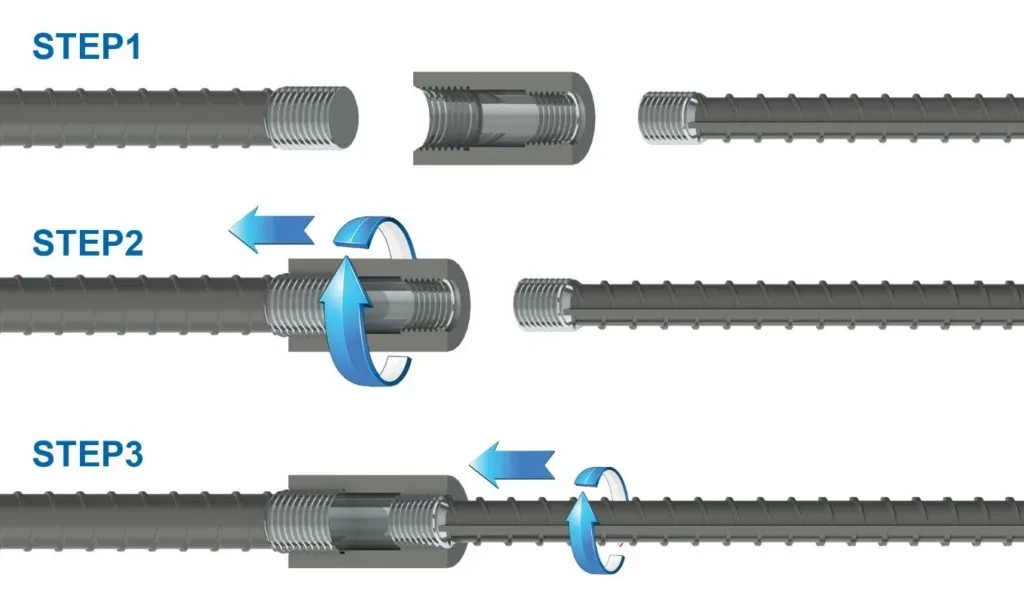
Mechanical splicing couplers are essential innovation tools in modern construction for joining steel reinforcement bars (rebars) securely and efficiently. This blog explores how mechanical splicing couplers work, with specific attention to rebar couplers and Bartec couplers, two trusted names in reinforcement technology that facilitate seamless structural integrity.
Mechanical splicing couplers are specially engineered devices used to connect two rebars end-to-end without welding or overlapping. These couplers replace traditional lapping methods, offering a stronger, more cost-effective, and space-saving alternative in reinforced concrete construction.
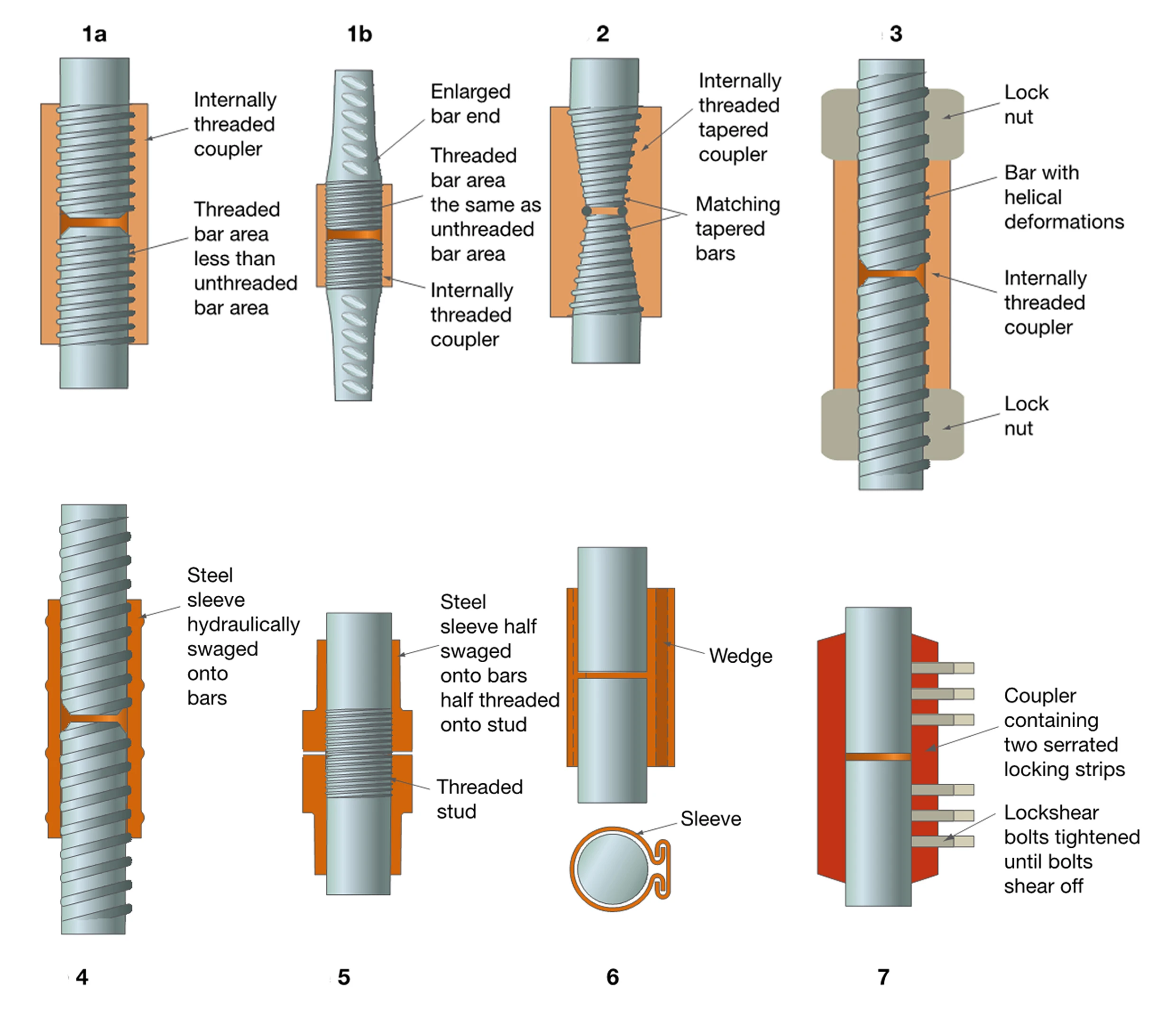
Mechanical splicing couplers operate by physically holding two rebars together through threading, friction, or locking mechanisms inside the coupler sleeve. The joint created acts as a continuous bar, transferring tensile and compressive forces between the connected rebars, ensuring the structural elements behave as a unified system under load.
Rebar couplers and Bartec couplers are widely used in critical infrastructure like bridges, tunnels, high-rise buildings, and dams, where strong reinforcement continuity is non-negotiable.
Mechanical splicing couplers including rebar couplers and Bartec couplers revolutionize construction by combining safety, efficiency, and cost-effectiveness. Their role in ensuring robust, continuous reinforcement is vital as the construction industry moves towards more sustainable and high-performance building techniques.
For more insights and high-quality mechanical splicing solutions, explore Civil Stock’s product offerings and expert resources.



You need to Sign in to view this feature

This address will be removed from this list
 english